

The Army Is Putting Robots in Its Arsenals
A $90 million Pentagon award is bringing AI and robotics to 12 military manufacturing sites. The technology is funded. The workforce is the work.
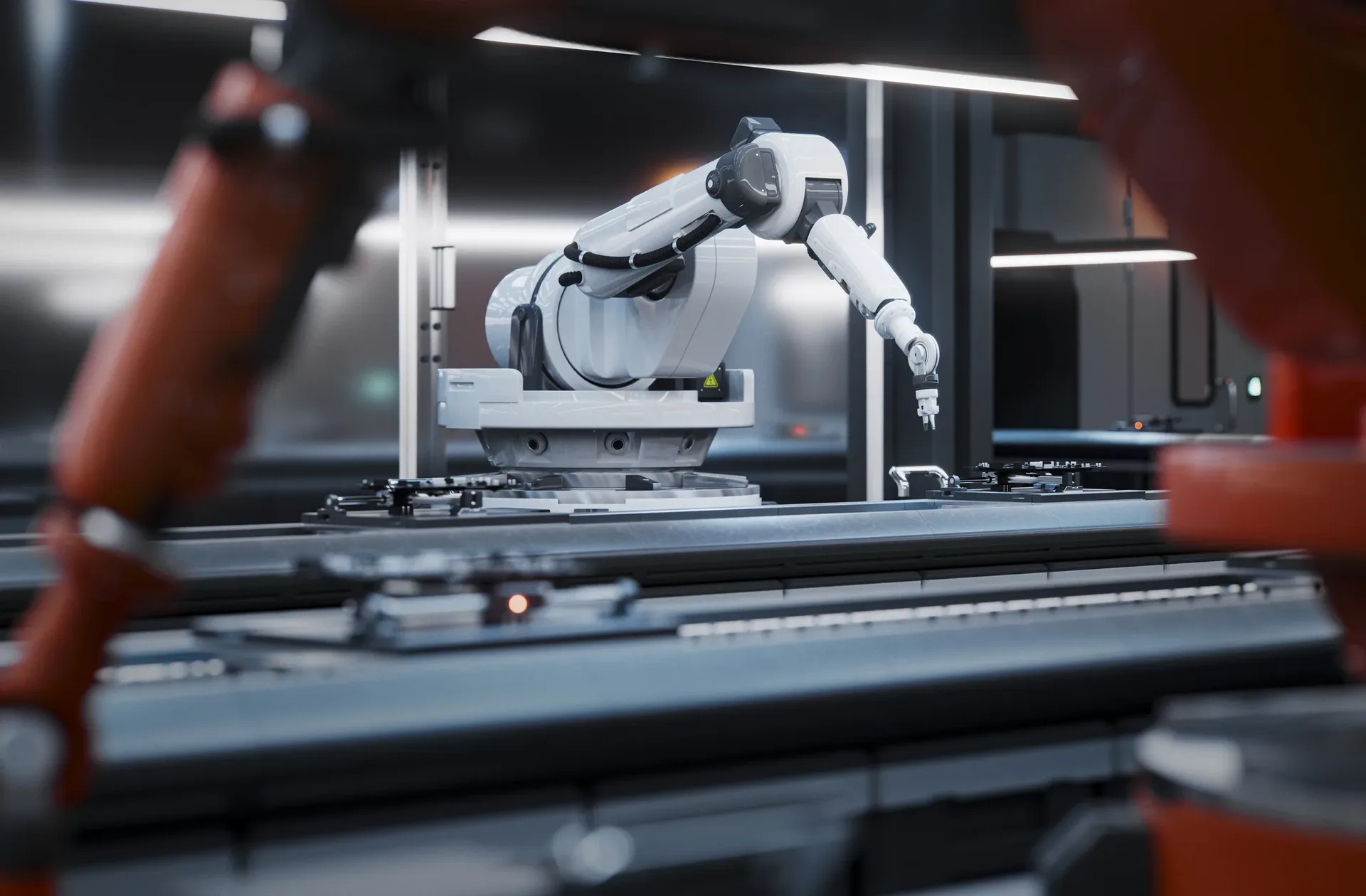
Twelve Army arsenals, depots, and ammunition plants are getting robots, drones, and AI over the next two years. The Pentagon funded it in September: nearly $90 million through the ARM Institute, drawn from the Office of the Undersecretary of War Manufacturing Technology Office. Ten projects. Two years. One requirement that matters more than the hardware: every project has to reskill the workforce alongside it.
What the money buys
The award runs through the OIB Modernization Challenge and covers AI-assisted energetics production safety, drones for mission readiness, and robotics to clear throughput bottlenecks. These are not lab experiments. Arsenals and ammunition plants are where the Army makes and maintains the materiel it fights with, and a throughput bottleneck there is a readiness problem.
Why the reskilling clause is the real story
The award's most important line is not the dollar figure. It is the requirement that each project include workforce reskilling. Machines do not install themselves. They do not train the people standing next to them. A robot on a production line without trained operators and maintainers is an expensive sculpture. The Pentagon knows this, which is why the training requirement is baked into the award instead of bolted on afterward.
The pattern around it
This is part of a wider push. In May, the Department of War raised its Scale AI agreement from $100 million to $500 million after demand blew past the original ceiling. In September, the Army gave AI planning startup Onebrief a department-wide enterprise contract. The direction is consistent: AI and automation are moving from experiments to programs of record, and programs of record need people who can run them.
Technology awards make headlines. Working capability is quieter: program management that holds the schedule, mission support that keeps operators trained, integration that makes new systems work inside old facilities. That is the layer where modernization succeeds or fails, and it is where AFIS works.
Sources: The Robotics Media, September 5, 2026; Washington Technology, May 6, 2026; Business Wire, September 17, 2026.